
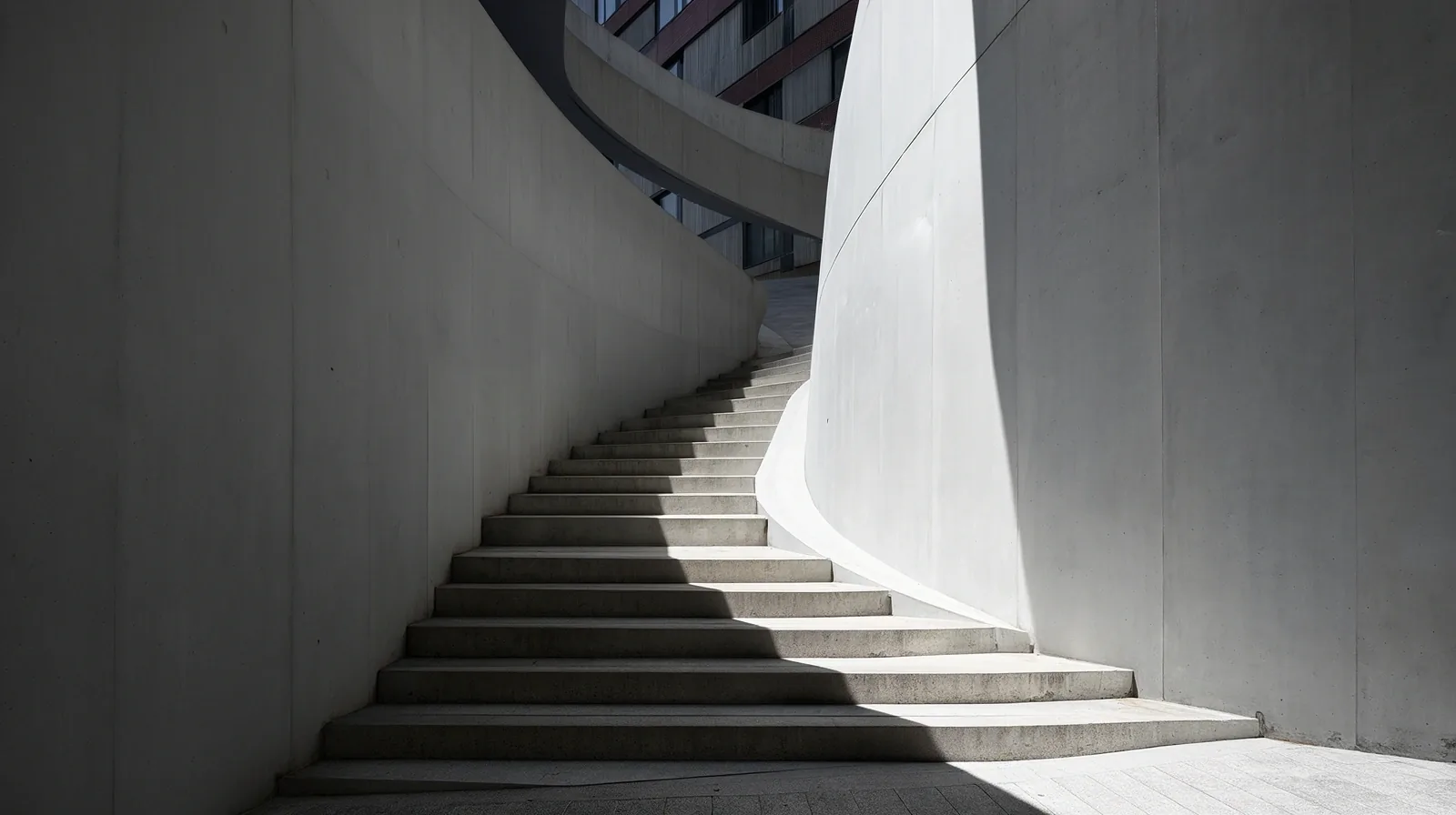
The path you requested has been reclaimed.
In urban planning, even the most detailed blueprints encounter unexpected gaps. Much like the industrial zones of the Nervión, the page you are looking for has evolved into something else or is currently outside our navigation grid.
Understanding Urban Gaps
Bilbao’s transformation from a heavy industrial port to a global design capital was not a linear process. It involved the removal of defunct shipyards and the strategic filling of voids left by the decline of the iron trade. Similarly, our digital architecture undergoes constant refinement to ensure that every Bilbao travel guide we publish reflects the current state of the city.
If you were searching for a specific historical study or an entry in our Bilbao itinerary, it is possible that the content has been integrated into a larger architectural analysis. We invite you to explore our structured resources below to find the specific design insights you require for your research or visit.

Structural contrast: The intersection of medieval foundations and 21st-century glass in the heart of Bilbao.
Primary Navigation Nodes
- Comprehensive Travel Guide
- Guggenheim Design Study
- Curated Itineraries
- Spanish Historical Eras
- Modern Innovation Trends
Need immediate assistance? Our research team can help you find archived records or specific architectural citations via our contact office.
Essential Access Intelligence
While you navigate back to our main guides, we have prepared a selection of educational strategies for visiting Bilbao’s most significant landmarks. Efficiency in urban tourism is as much about design as the buildings themselves.
Guggenheim Skip the Line Strategies
Achieving a Guggenheim skip the line experience is primarily a matter of timing and logistics. We recommend arriving exactly 15 minutes before the 10:00 AM opening. This allows for entry before the influx of organized groups. Additionally, mid-week mornings (Tuesday and Wednesday) historically offer the lowest pedestrian density, allowing for an unobstructed view of Richard Serra’s massive steel installations.
Infrastructure as Architecture
Navigating the city effectively involves using the Metro Bilbao. Designed by Norman Foster, these stations are case studies in minimalist steel and glass. By understanding the Zone 1 layout, visitors can move between the historic Casco Viejo and the modern Abando district in minutes. The "Fosteritos" aren't just entrances; they are light-wells that define the subterranean experience.
Itinerary Calibration
A well-designed Bilbao itinerary should balance the monumental scale of the new riverfront with the intimate textures of the Siete Calles. We advise dedicating your first morning to the titanium curves of the Abandoibarra and your evening to the limestone facades and pintxo traditions of the Old Town, where the city's 700-year evolution is most tangible.
Historical Context
Spanish architectural history is a layer-by-layer exploration. From the Romanesque stone foundations of the northern cathedrals to the Mudéjar brickwork influenced by Islamic design in the south, the country’s buildings are technical records of cultural integration. Understanding these roots is key to appreciating the radical modernism of contemporary Bilbao.
"Architecture is the learned game, correct and magnificent, of forms assembled in the light."
Do not let a broken link interrupt your exploration. The study of Bilbao’s urban fabric is an ongoing dialogue between its industrial past and its sustainable future.
Browse the Complete GuideTechnical Research & Support
The Bilbao Guide operates as an educational resource, maintained by a dedicated team of architectural historians and researchers. Our mission is to provide accurate, deep-dive content that goes beyond standard travel advice. Whether you are a student of urban planning or a culturally curious visitor, we are here to support your inquiry.
28008 Madrid, Spain
+34 612 345 678
[email protected]
Your architectural journey continues.
Design Origins
Explore the industrial history and neoclassical roots of the city.
Guided Routes
Follow our curated architectural paths through the Nervión riverfront.
Modern Trends
Analyze sustainable innovation and the future of Spanish design.
© 2026 Bilbao Guide. Dedicated to architectural education and heritage preservation.