
The Structural Evolution of Bilbao and Spanish Design
Bilbao stands as a global case study in urban regeneration. Our Bilbao travel guide explores the systemic shift from industrial steel mills to a landscape defined by radical modernism and public utility.
Systemic Urban Regeneration
Once a landscape dominated by steel mills and shipyards, Bilbao underwent a systemic transformation in the late 20th century. This shift was not merely aesthetic; it involved a deep integration of infrastructure, art, and public utility.
Visitors to bilbaoguide.site will find detailed analyses of the buildings that changed the city's economic trajectory. From classical roots to the radical structures of the Basque Country, we provide practical advice for navigating these landmarks with an architect's eye.
The Industrial Core and the Nervión River
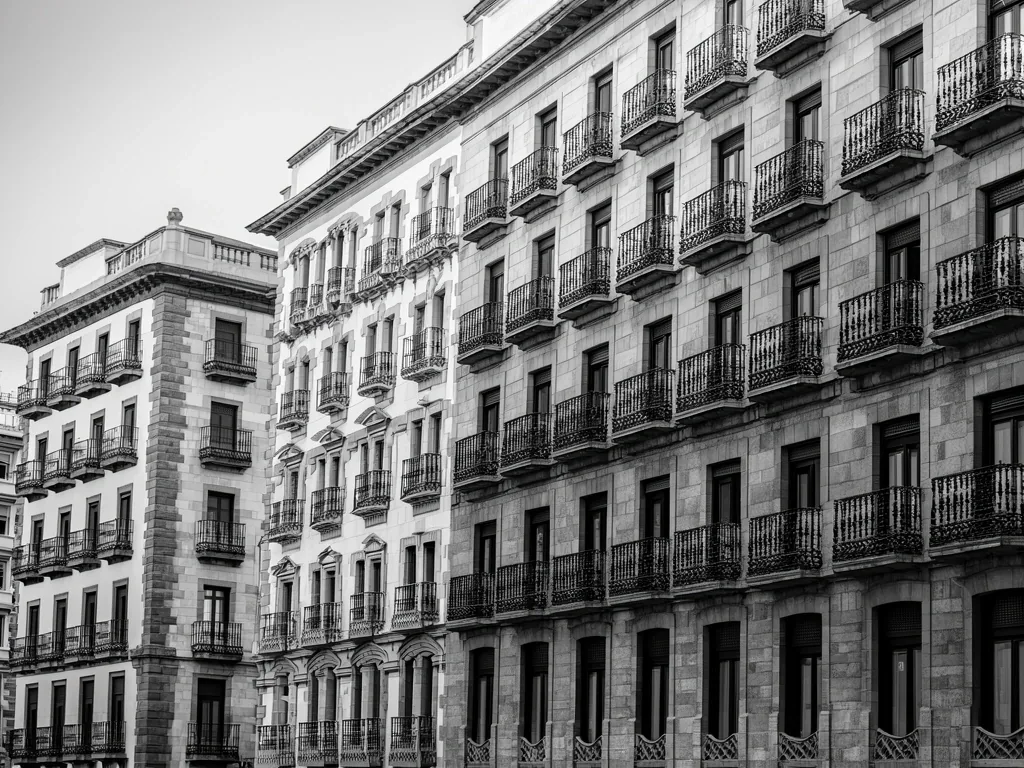
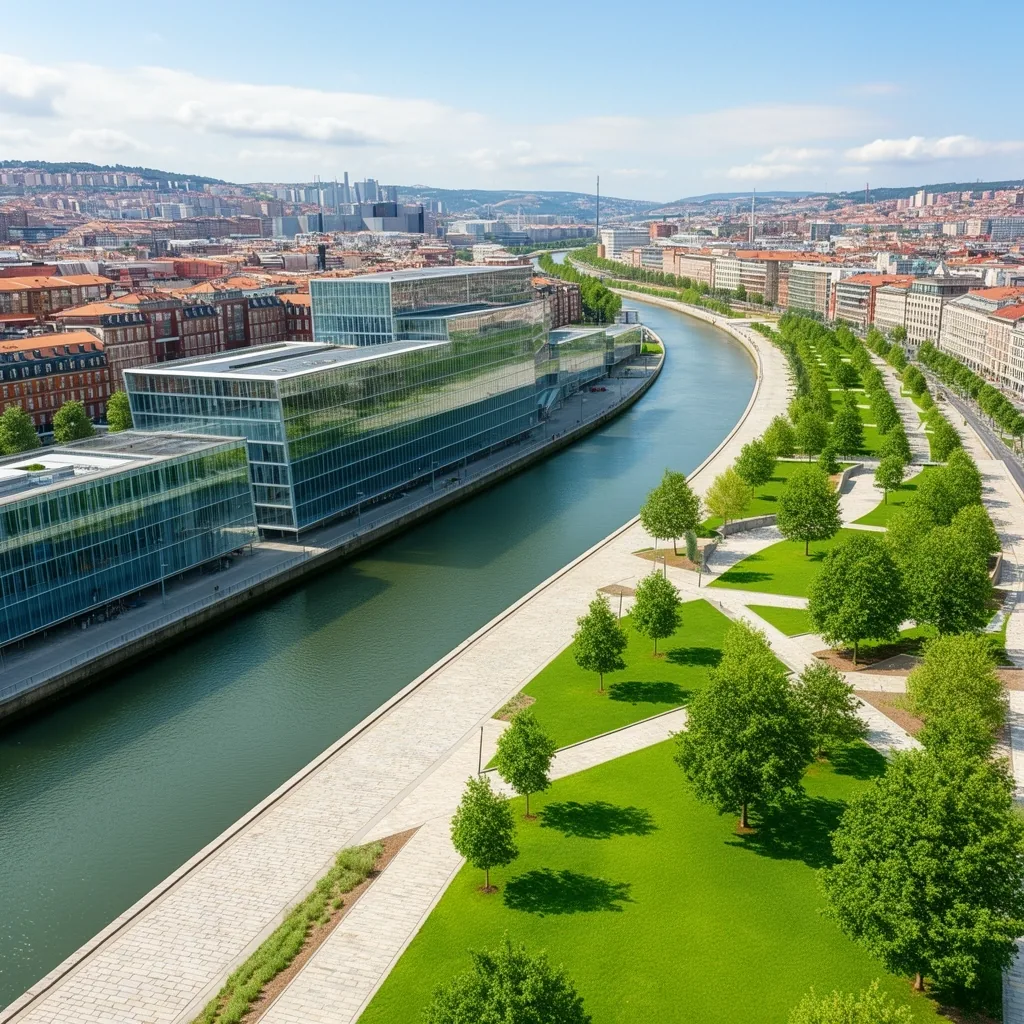
The history of Bilbao is inseparable from the Ría del Nervión. For centuries, this waterway served as the primary artery for iron ore exports. The architectural style of the 19th century reflected this industrial wealth, characterized by the sturdy, neo-classical apartment blocks of the Ensanche district.
Today, the riverside has been reclaimed from heavy industry, replaced by promenades and cultural institutions that prioritize pedestrian access and public interaction. This reclamation is the cornerstone of any modern Bilbao itinerary.
The Guggenheim Effect and Global Urban Planning
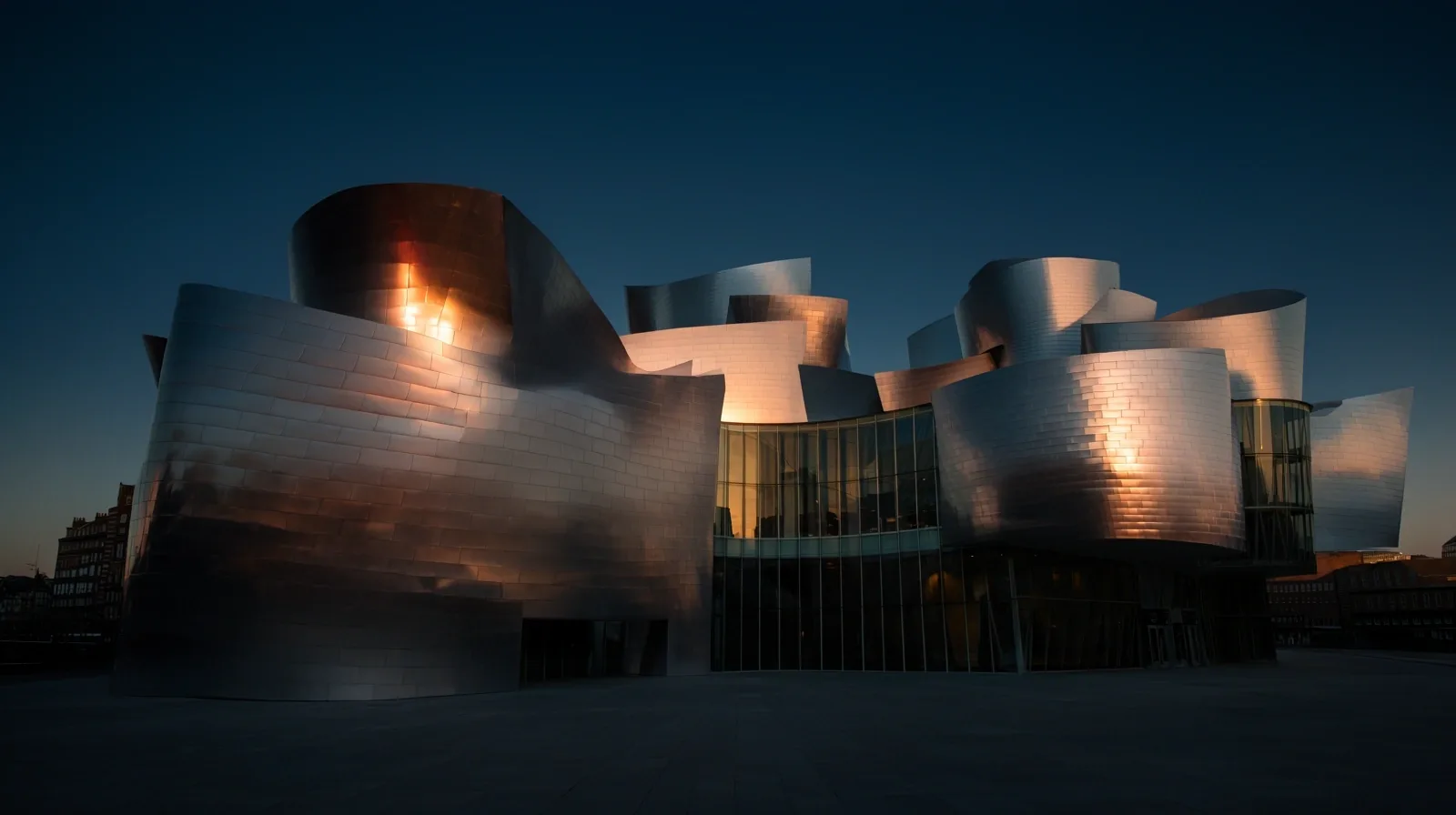
The opening of the Guggenheim Museum in 1997 is often cited as the "Bilbao Effect." While Frank Gehry's titanium-clad structure is the most visible symbol, the transformation was supported by a broader urban plan including the cleanup of the river and the development of the Metro Bilbao system.
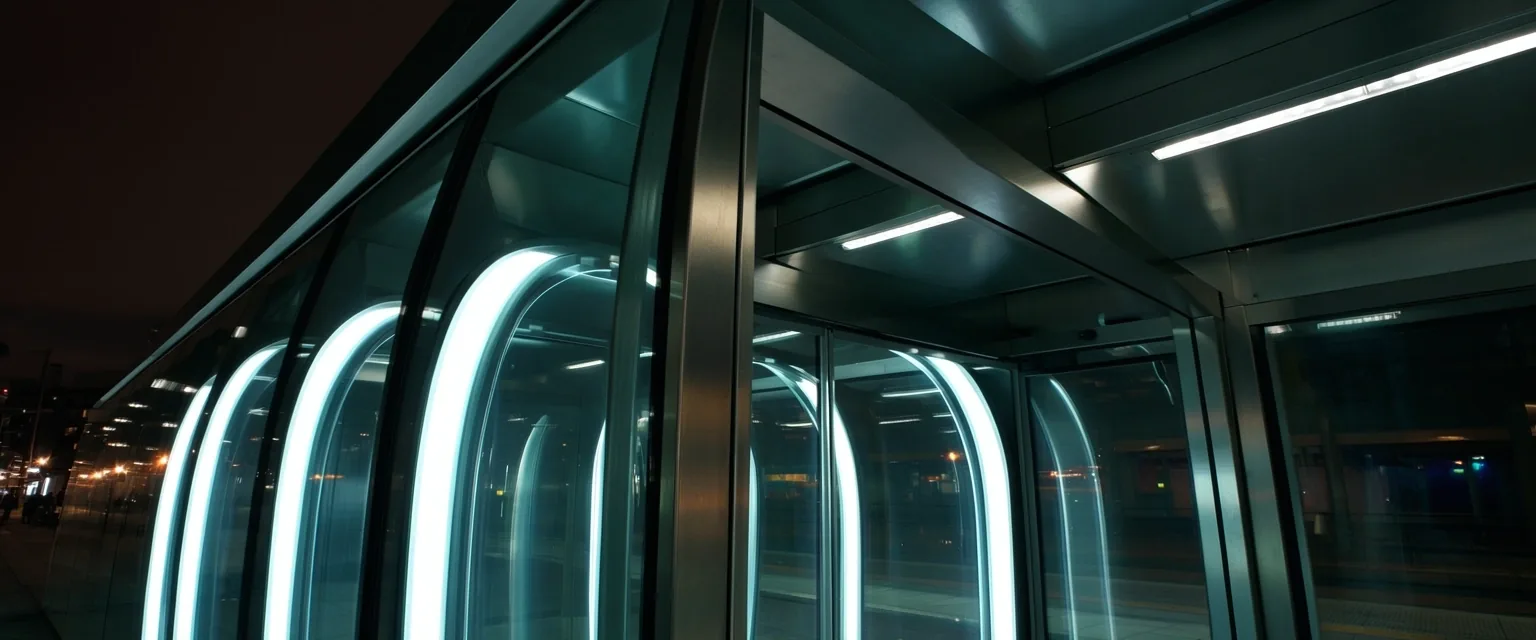
Designed by Sir Norman Foster, the metro utilizes curved glass structures known as "Fosteritos" that allow natural light to reach underground platforms. This project proved that functional transit could also serve as a high-concept architectural statement.
Spanish Heritage Across Eras
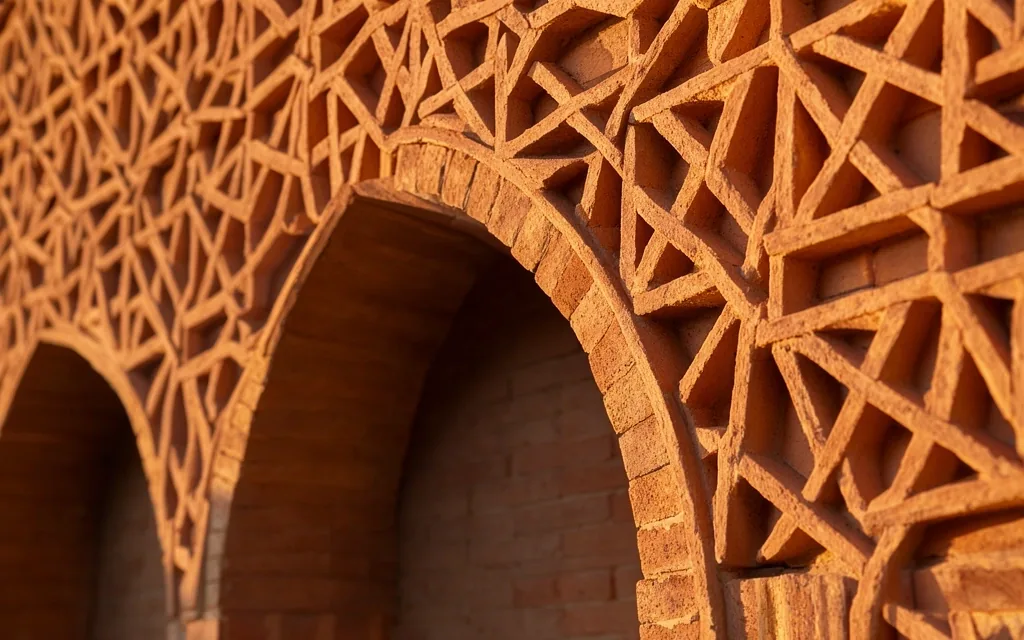
Mudéjar Geometric Design
Intricate geometric patterns and brickwork reflecting a fusion of Islamic and Christian architectural traditions in the southern regions of Spain.
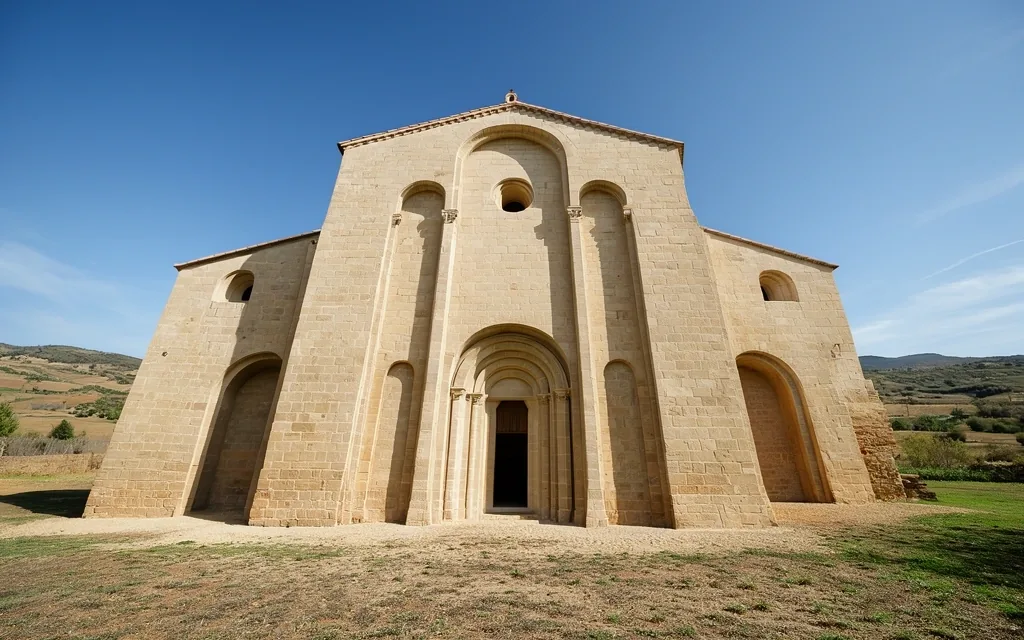
Romanesque Masonry
The heavy stone masonry of Romanesque churches characterizes the northern cities, emphasizing permanence and structural austerity.
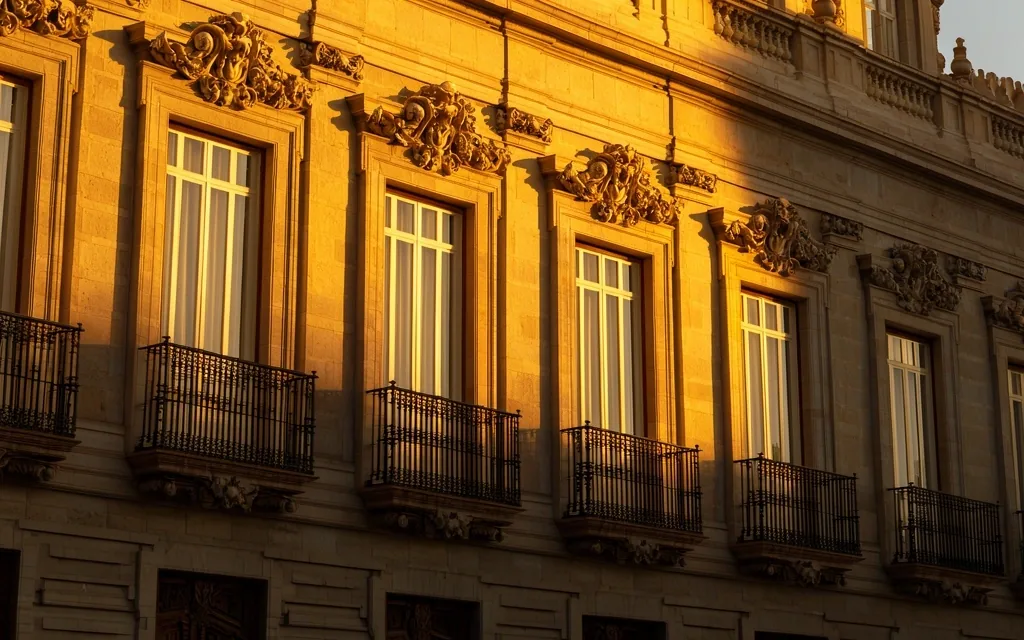
Bourbon Baroque
In Madrid, the Bourbon influence led to wide boulevards and imposing baroque palaces that defined the 18th-century imperial aesthetic.
Our research tracks how these historical styles eventually gave way to the experimental forms seen in modern Spanish cities, where sustainability and recycled materials are the new standard.
Navigating the Modern Landscape
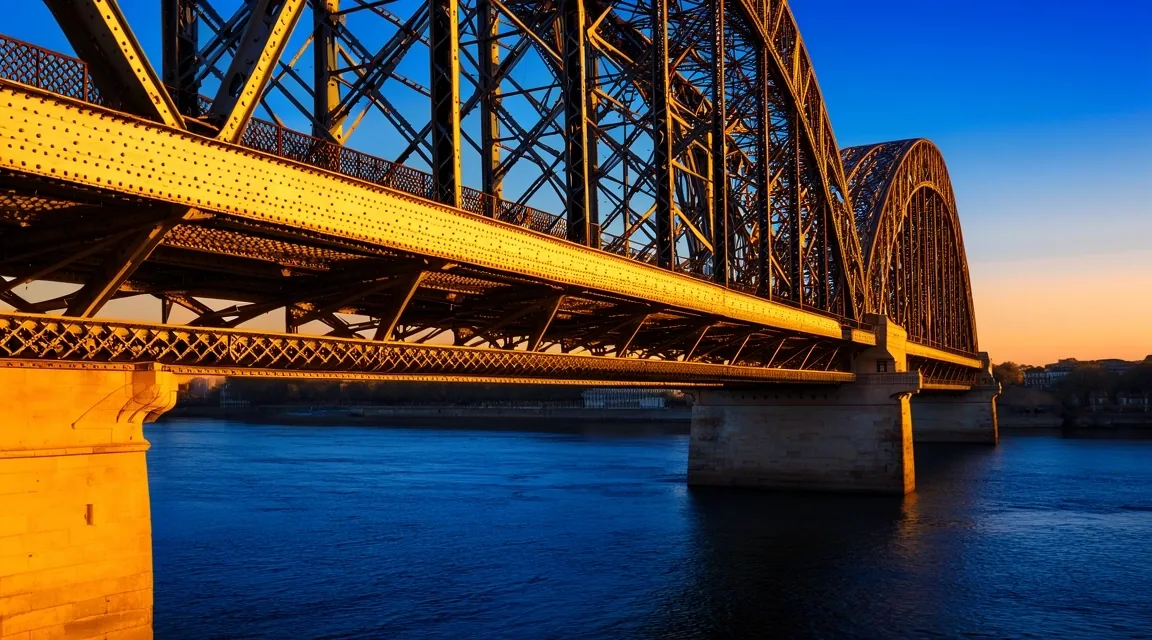
Understanding Bilbao requires moving beyond the city center. The Vizcaya Bridge (Puente Colgante), a UNESCO World Heritage site, represents the pinnacle of 19th-century iron architecture.
Engineering Comparison
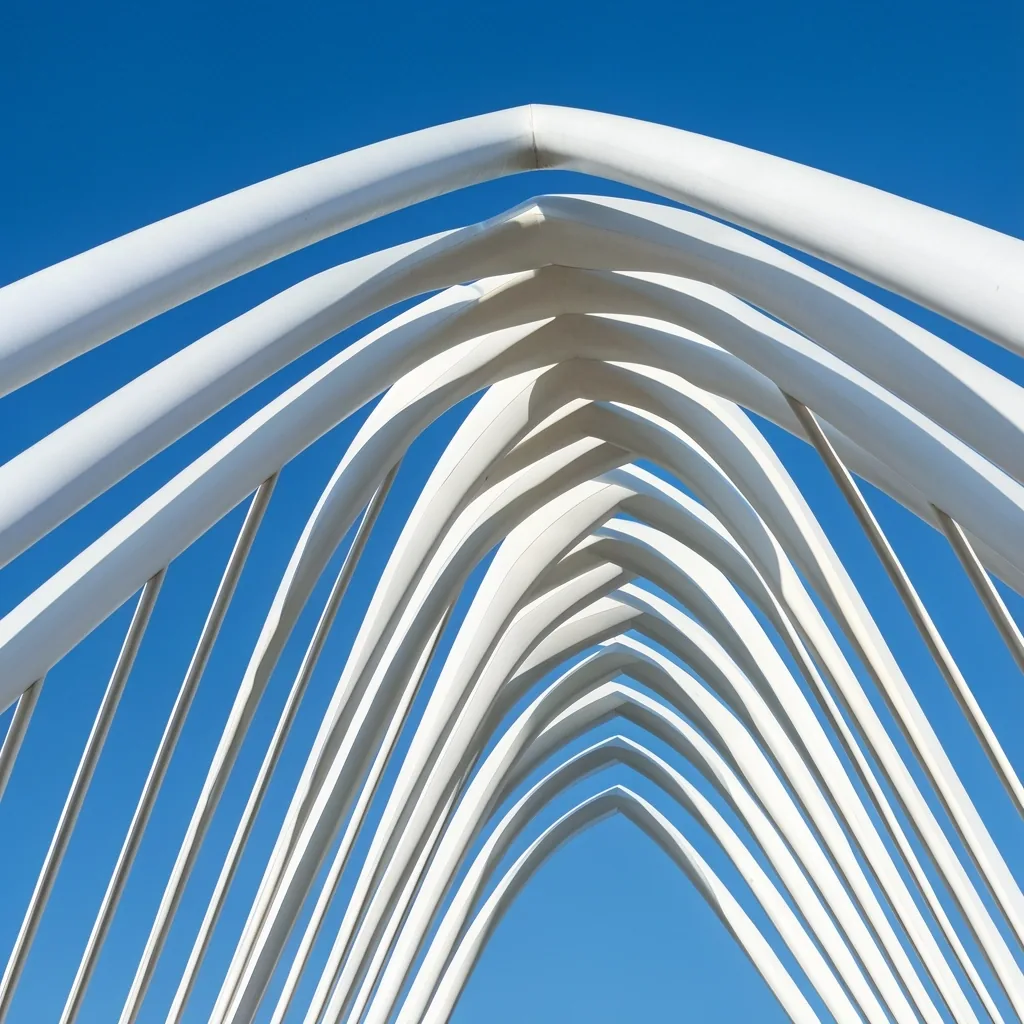
Comparing the 1893 iron structure of Puente Colgante to the contemporary Zubizuri bridge by Santiago Calatrava reveals the evolution of engineering priorities—moving from raw utility to sculpted organic forms.
Practical Observation
Observe how the hanging gondola of Vizcaya operates; a design chosen to allow large ships to pass beneath without interrupting land traffic, a true marvel of industrial design.
Guggenheim Strategy: Navigating the Flows
To fully appreciate the architectural details of Bilbao, timing is essential. The Guggenheim Museum often sees peak visitor volume between 11:00 AM and 2:00 PM.
- 01 For a quieter experience, arrive exactly at opening time or in the late afternoon to observe the light play on the titanium panels.
- 02 Utilize the "Guggenheim skip the line" principle by preparing your itinerary in advance—entry is best timed for opening slots.
- 03 Start at the top floor and work downward to better observe the intersection of the titanium panels and the glass curtain walls.
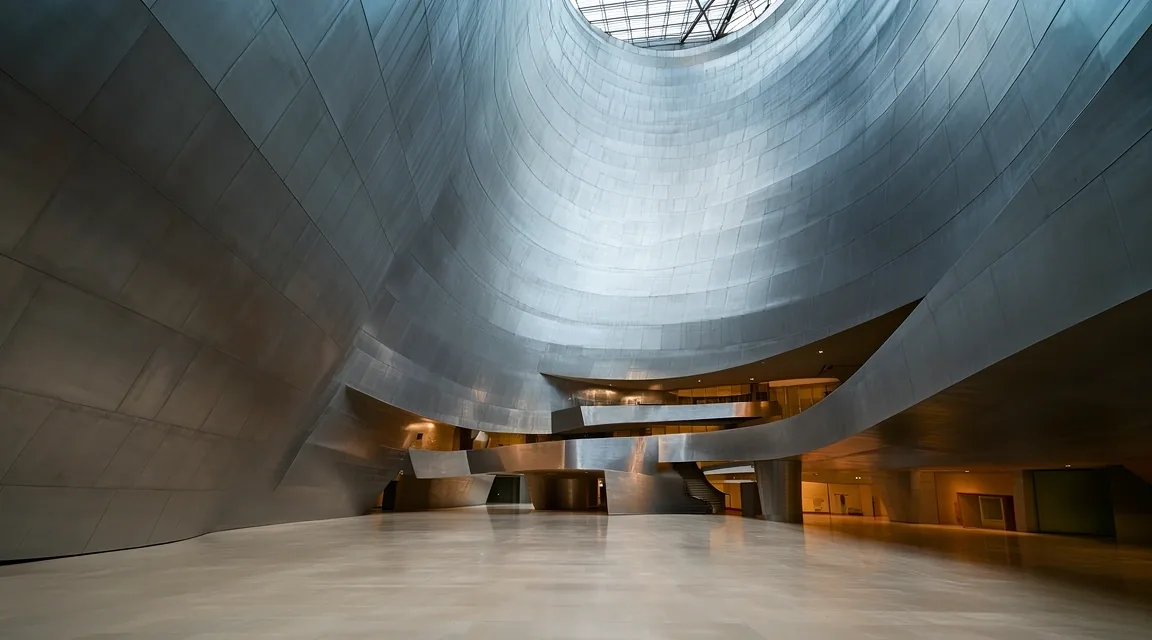
Understand the internal layout—specifically the massive Fish Gallery—to avoid congested bottlenecks during your visit.
Essential Visitor Queries
What is the best way to see the various architectural styles in Bilbao?
A walking route starting from the Casco Viejo (Old Town) and following the river toward the Abandoibarra district allows you to see 700 years of design evolution in a single afternoon.
Is Bilbao accessible for those primarily interested in industrial history?
Yes, many of the old wharf areas and the Euskalduna Palace maintain elements of their maritime and industrial past, integrated into modern cultural venues.
Plan Your Architectural Journey
Discover the intersection of history and innovation. Join our research team for deeper insights into the Basque landscape.
Calle de la Princesa, 25, 3ºB 28008 Madrid
+34 612 345 678