
Navigating Bilbao: A Comprehensive Cultural and Logistical Guide
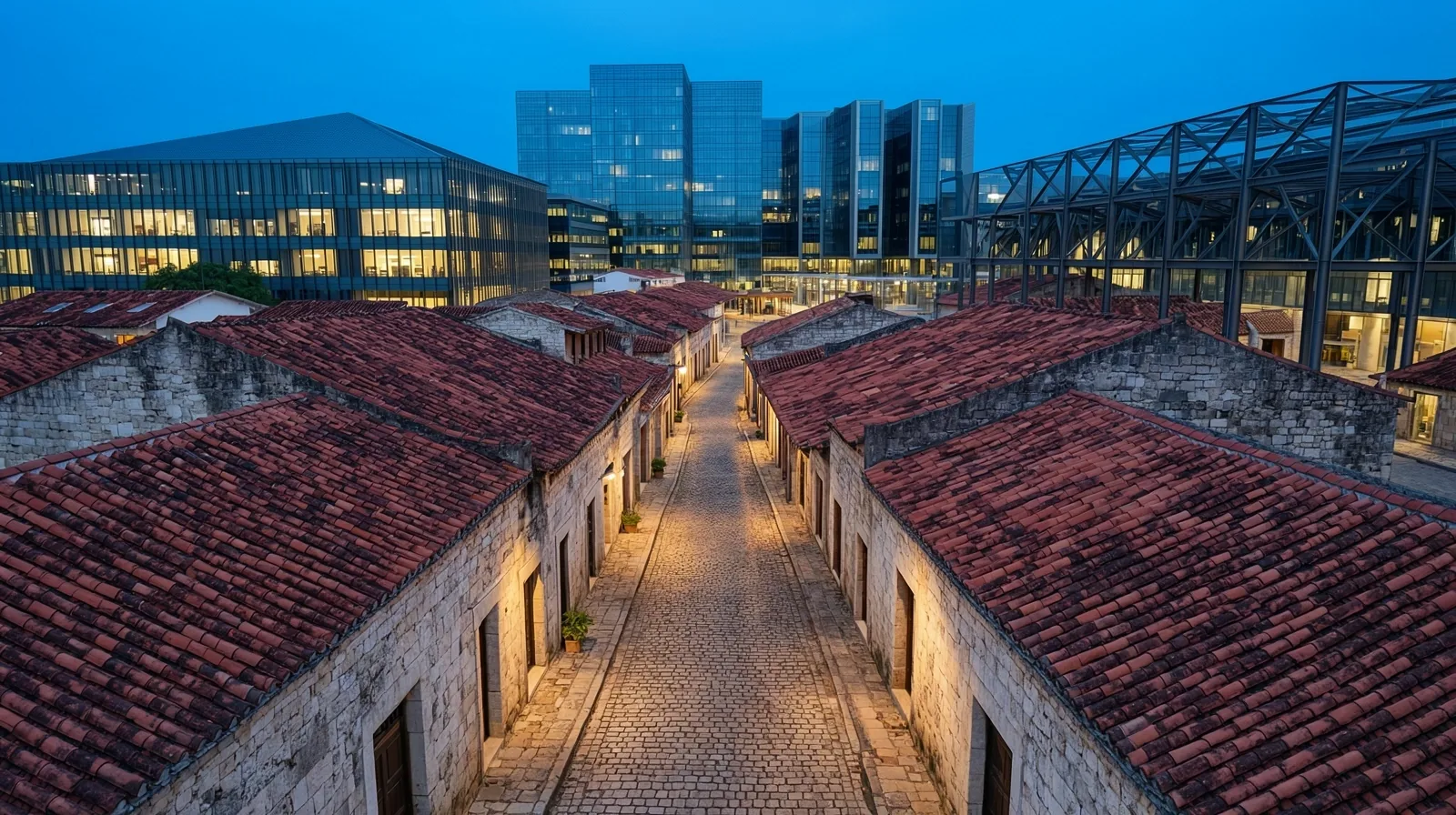
A successful visit to Bilbao requires an understanding of its unique geography and cultural pacing. From the medieval core of the Casco Viejo to the avant-garde expansion along the Nervión, this guide serves as your architectural and logistical companion.
Neighborhood Profiles: From Siete Calles to Abando
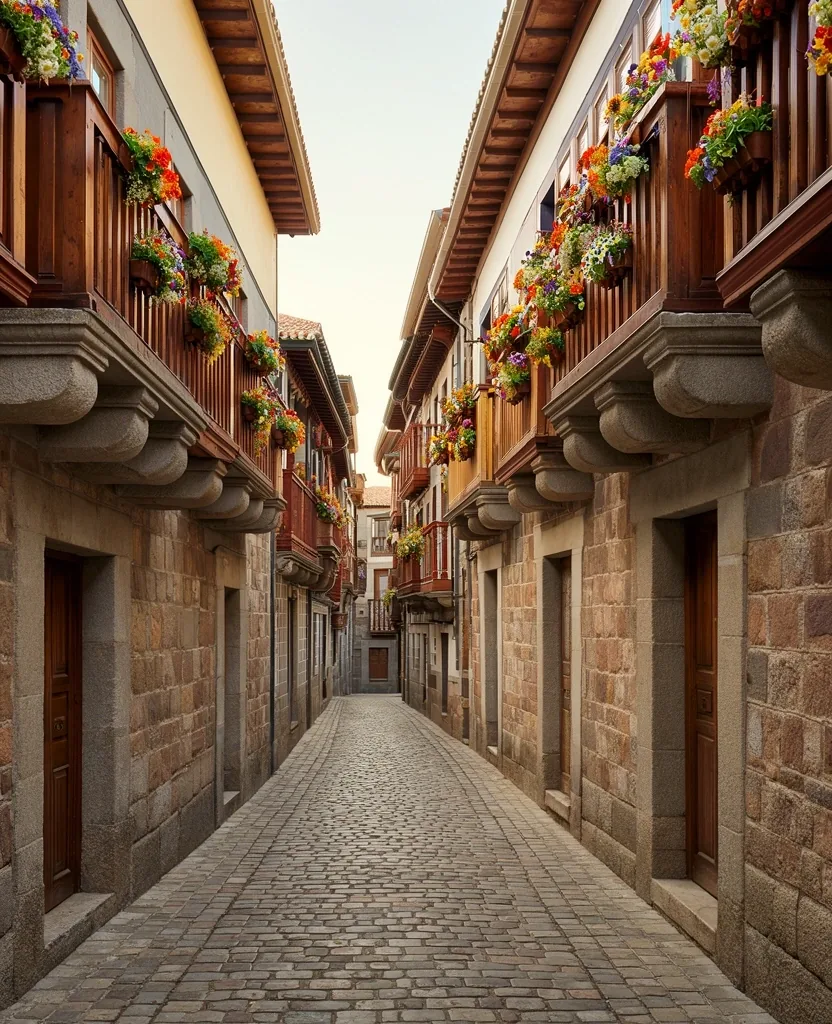
The city is divided by the river, with the historic Casco Viejo on the right bank and the modern commercial district of Abando on the left. The Casco Viejo, or Las Siete Calles, represents the medieval origins of the city. These narrow streets are home to the Santiago Cathedral and the Mercado de la Ribera, maintaining a rhythm that feels distinct from the rest of the capital.
Contrast this with the Abando district, which features the wide avenues of the 19th-century expansion (the Ensanche). Here, you will find the main shopping areas and the Fine Arts Museum (Museo de Bellas Artes), which houses an extensive collection ranging from the Middle Ages to the contemporary era. Understanding this transition from the limestone and wood of the old world to the steel and glass of the new is essential for any Bilbao travel guide experience.
Transport and the Fosterito Signature
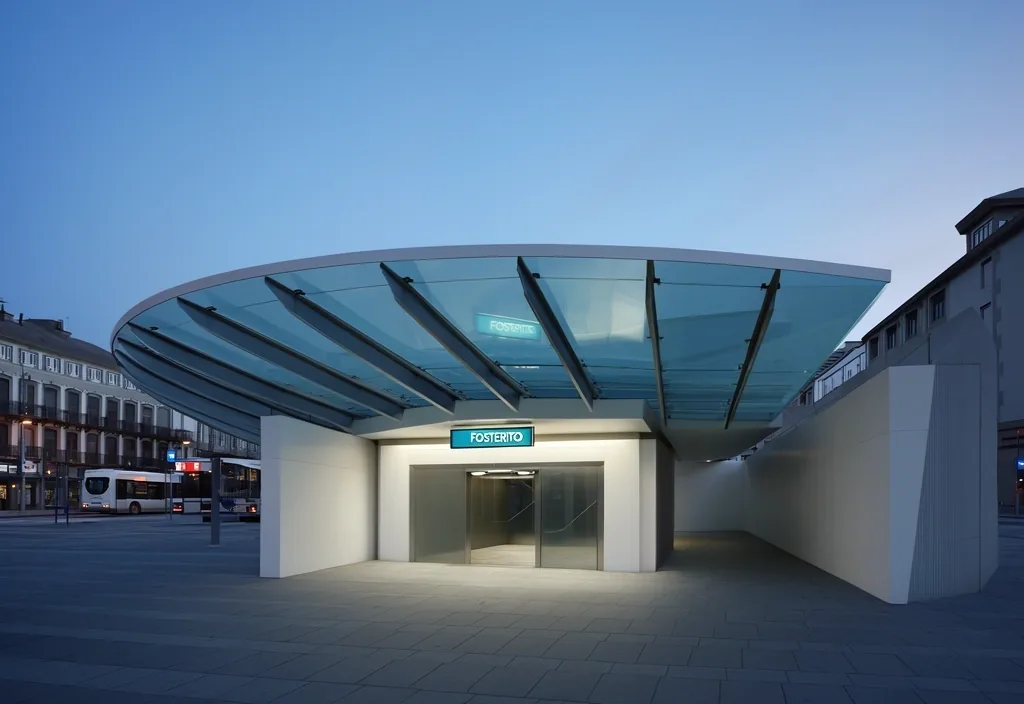
The Metro Bilbao is more than a transport tool; it is a design landmark. The entrances, designed by Norman Foster, are iconic glass tunnels—locally known as "Fosteritos"—that lead to spacious, minimalist stations characterized by concrete and steel.
-
Zone Management: Staying within Zone 1 covers all major architectural sites, including the riverfront and the city center.
-
The Euskotran: This scenic tram route runs along the river, providing a direct connection between the Guggenheim and the Old Town with large glass windows perfect for sightseeing.
-
Walkability: Bilbao is a compact city. Most key cultural markers are within a 20-minute walk along the pedestrianized river walk (Paseo de Abandoibarra).
Guggenheim Skip the Line: Practical Strategies
Navigating the world-famous Guggenheim Museum requires more than a simple arrival. To optimize your visit and implement a personal Guggenheim skip the line strategy, consider the internal operational rhythms of the museum.
The museum utilizes a timed-entry system. By securing a slot for the first entry of the morning (10:00 AM) or visiting during the "siesta" hours (14:00 to 16:00), you can often avoid the peak tourist waves associated with cruise ship arrivals and organized group tours.
Visiting Protocol
- Morning Access Arrive 15 minutes before opening for the smoothest security processing.
- Peak Avoidance Tuesday through Thursday are historically the quietest days for architectural study.
- Entry Points Use the riverside staircase for a more scenic approach that bypasses the street-level congestion.
The Basque Culinary Tradition
Pintxo Culture
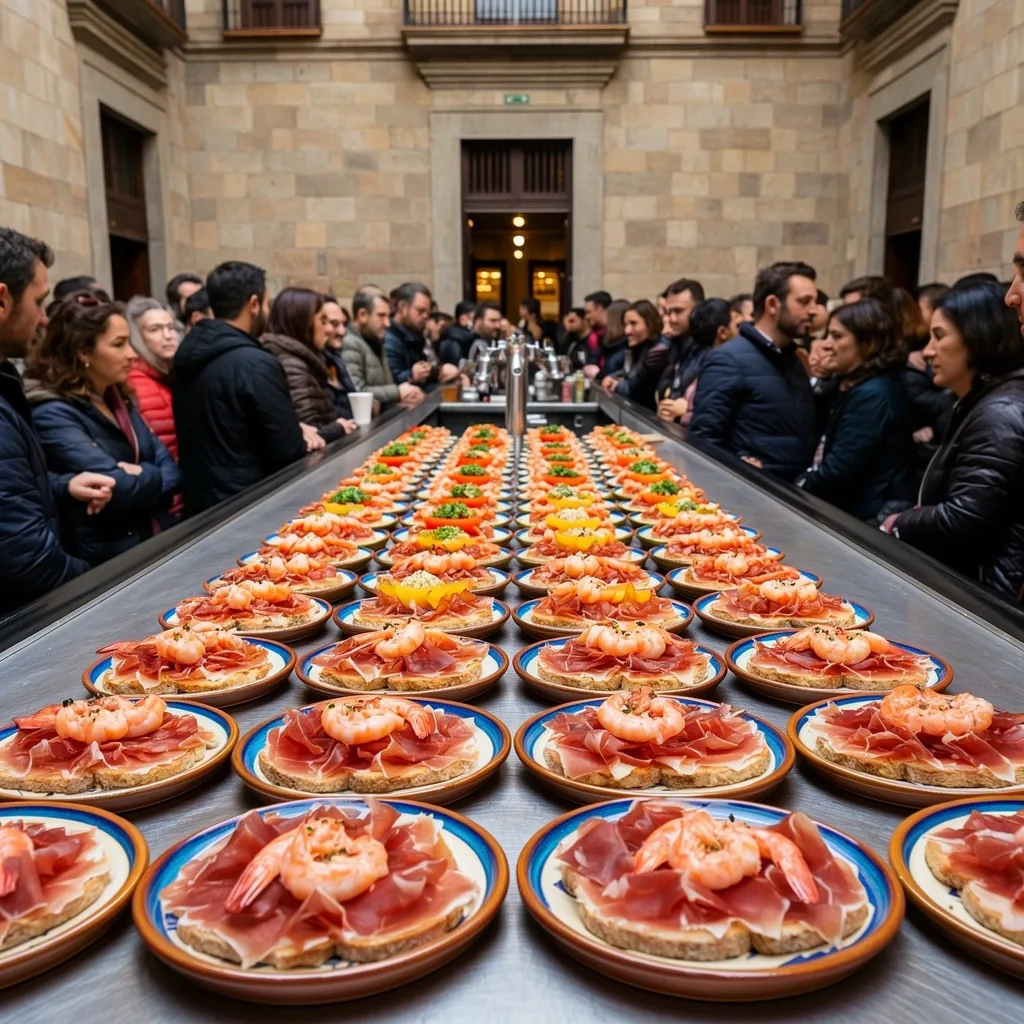
Unlike standard tapas, pintxos are small, complex dishes often pinned with a toothpick. The Plaza Nueva is the epicenter for this tradition.
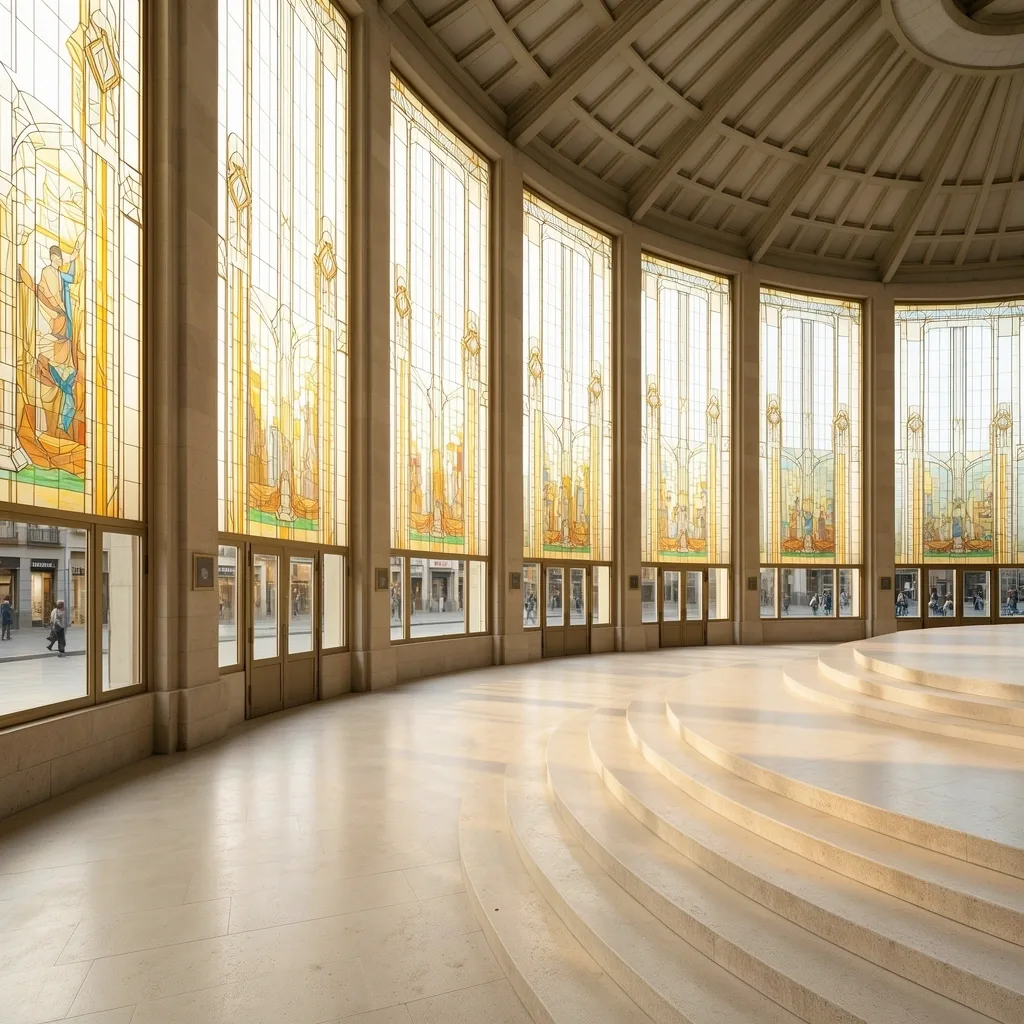
Mercado de la Ribera
One of Europe's largest covered markets, featuring Art Deco stained glass and a massive selection of local cod (bacalao) and hake (merluza).
Euskara & Customs
Basque is a significant part of the local identity. You will see bilingual signage throughout the city, reflecting a proud cultural history.
Most shops and smaller businesses follow the standard schedule, closing for a few hours in the mid-afternoon (the siesta window).
While Spanish is universal, hearing "Kaixo" (Hello) and "Agur" (Goodbye) is common. Museums and tourist centers are fully bilingual.
Pintxo bars are most active during the "poteo" (social drinking) hours: 12:30–15:00 and 19:30–22:00.
Plan Your Architectural Journey
Deepen your understanding of Spain's design evolution. Whether you are seeking a detailed Bilbao itinerary or technical architectural insights, our resources provide the context needed for a sophisticated visit.
Bilbao Guide | Calle de la Princesa, 25, 3ºB 28008 Madrid
Email: [email protected] | Tel: +34 612 345 678