
Contemporary Design in Spain: Innovation and Sustainability
Beyond the shadows of Gothic spires and Baroque facades, Spain is carving a new identity through adaptive reuse, green infrastructure, and a minimalist design language that speaks to the 21st century.
Defining the New Spanish Aesthetic
Spain has emerged as a global leader in contemporary design, moving beyond the traditional shadow of its historical monuments to create functional, forward-thinking spaces. This transition is not merely cosmetic; it represents a fundamental shift in how urban life is structured. As part of any comprehensive Bilbao travel guide, one must look at how the city breathes through its structures.
Current trends focus heavily on the adaptive reuse of industrial buildings—turning shipyards into museums and warehouses into tech hubs. By integrating green spaces into dense urban centers and adopting a minimalist approach to interiors, Spanish designers are responding directly to the environmental and social challenges of our era. This page explores the tangible results of this creative revolution.
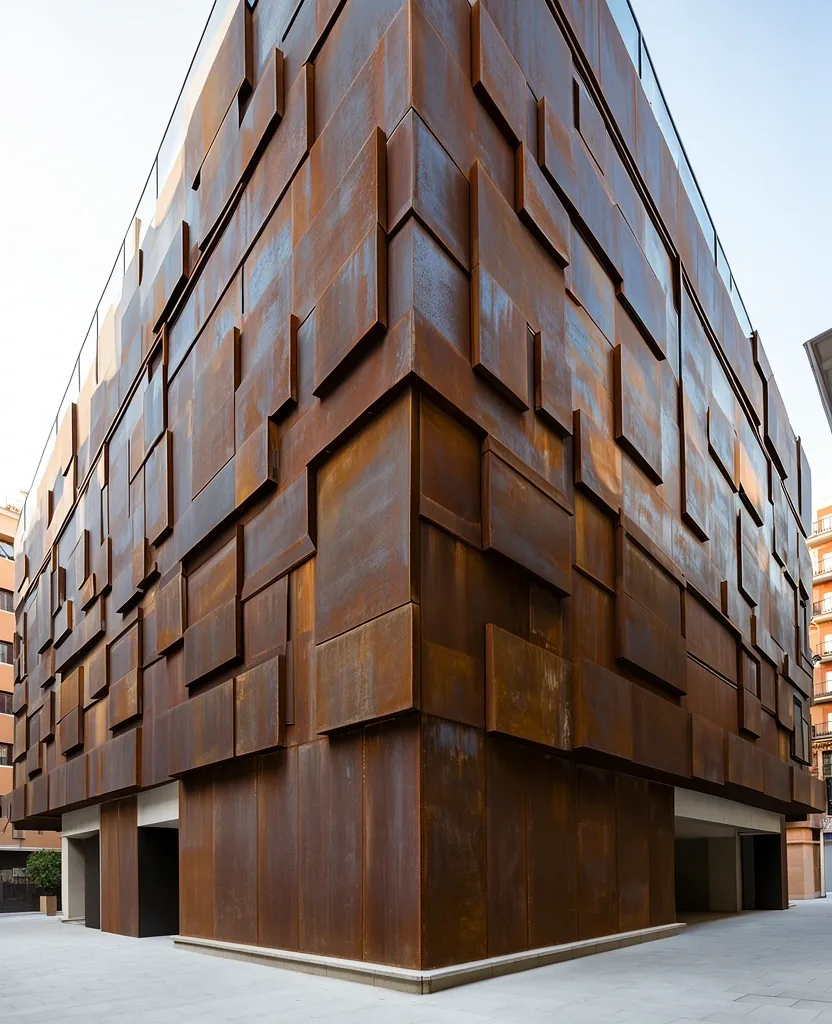
The use of weathering steel and modular panels defines the tactile experience of Bilbao's modern district.
Industrial Design and Urban Furniture
How the small-scale elements of the city define the grand-scale experience of the visitor.
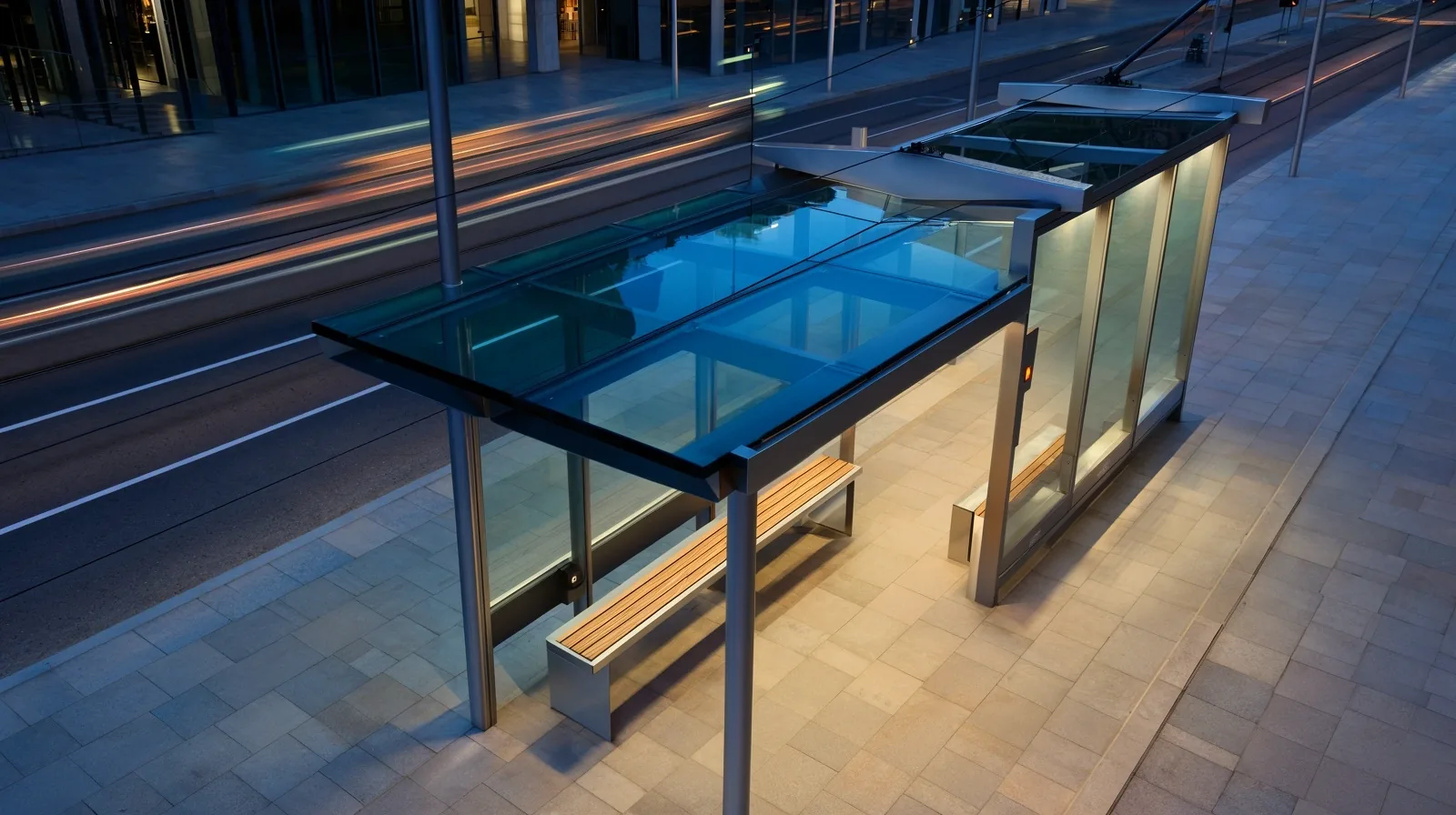
Sleek Transit Integration
In Bilbao, the sleek, integrated look of tram stops and park areas demonstrates a commitment to "urban furniture" that serves both utility and beauty. These structures use glass and steel to minimize visual clutter in the historic landscape.
Ergonomic Public Seating
Leading firms in Barcelona and Valencia are pioneering ergonomic seating made from recycled polymers and local stone. These designs prioritize long-term durability in high-salinity coastal environments while maintaining high aesthetic standards.
Sustainable Fabrication
Spanish industrial design focuses on sustainable manufacturing processes. By using modular construction, parts can be easily replaced or recycled, extending the lifecycle of public infrastructure significantly.
Sustainable Urbanism and Green Infrastructure
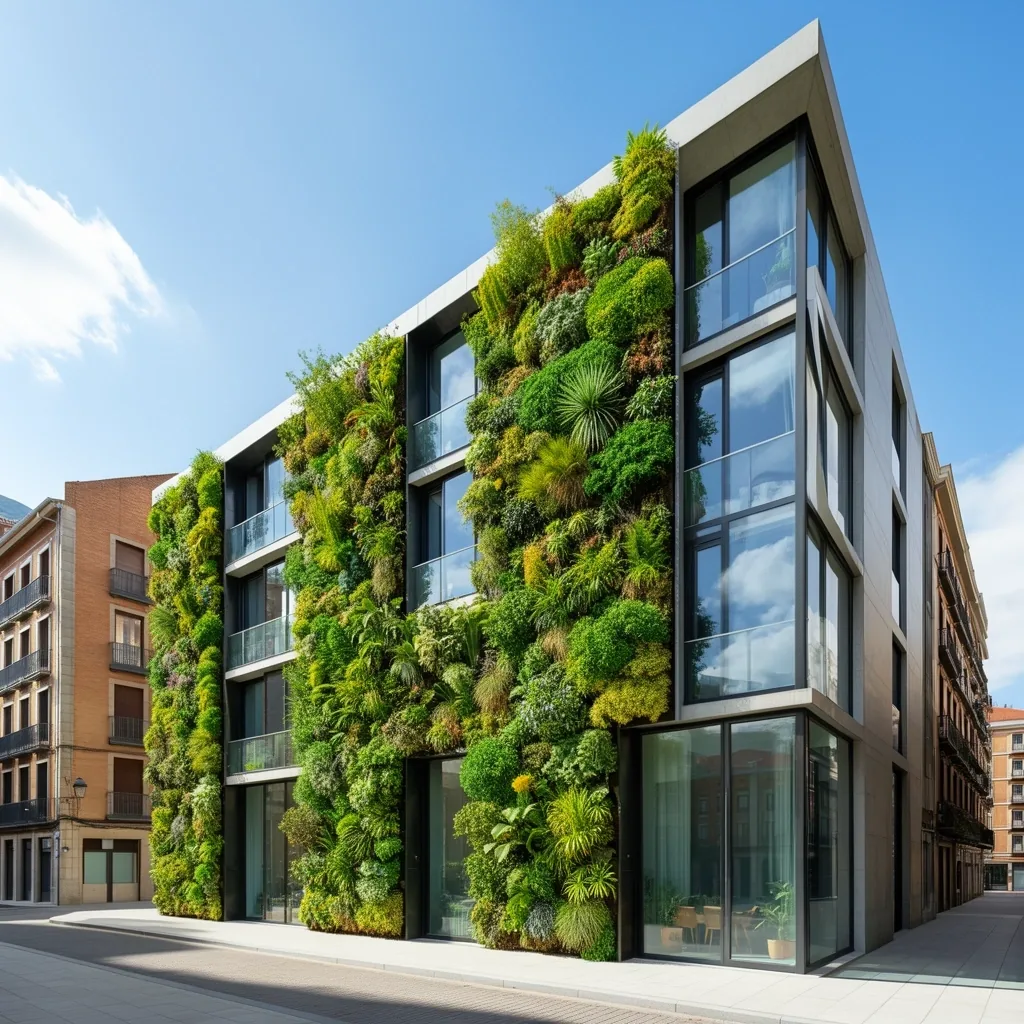
Modern Spanish architecture is increasingly defined by environmental responsibility. In Bilbao, the Zorrotzaurre project is a prime example of conversion. Old industrial plots are being transformed into flood-resistant residential zones with significant pedestrian-only areas.
-
1
Vertical Gardens: Integration of flora into facades to provide natural insulation and air purification.
-
2
Passive Cooling: Structural designs that utilize wind tunnels and thermal mass to reduce energy consumption.
-
3
Renewable Integration: Solar glass and micro-wind turbines hidden within the silhouette of the building.
Interior Design: Modernism Meets Tradition
The "New Mediterranean" style balances the country's rich material history with modern minimalism, creating spaces that feel both ancient and entirely contemporary.
Terracotta & Stone
Traditional earthen tiles are reimagined with oversized geometric cuts and paired with raw concrete or limestone for a grounded, tactile atmosphere.
Natural Light
Priority is given to open-plan layouts that utilize internal atriums and glass skylights, widely visible in the renovated galleries of Bilbao’s Ensanche district.
Industrial Palette
Exposed metal beams and recycled wood accents provide a nod to Bilbao’s shipping heritage while providing a warm, modern finish to interior spaces.
Navigating the Design Capital
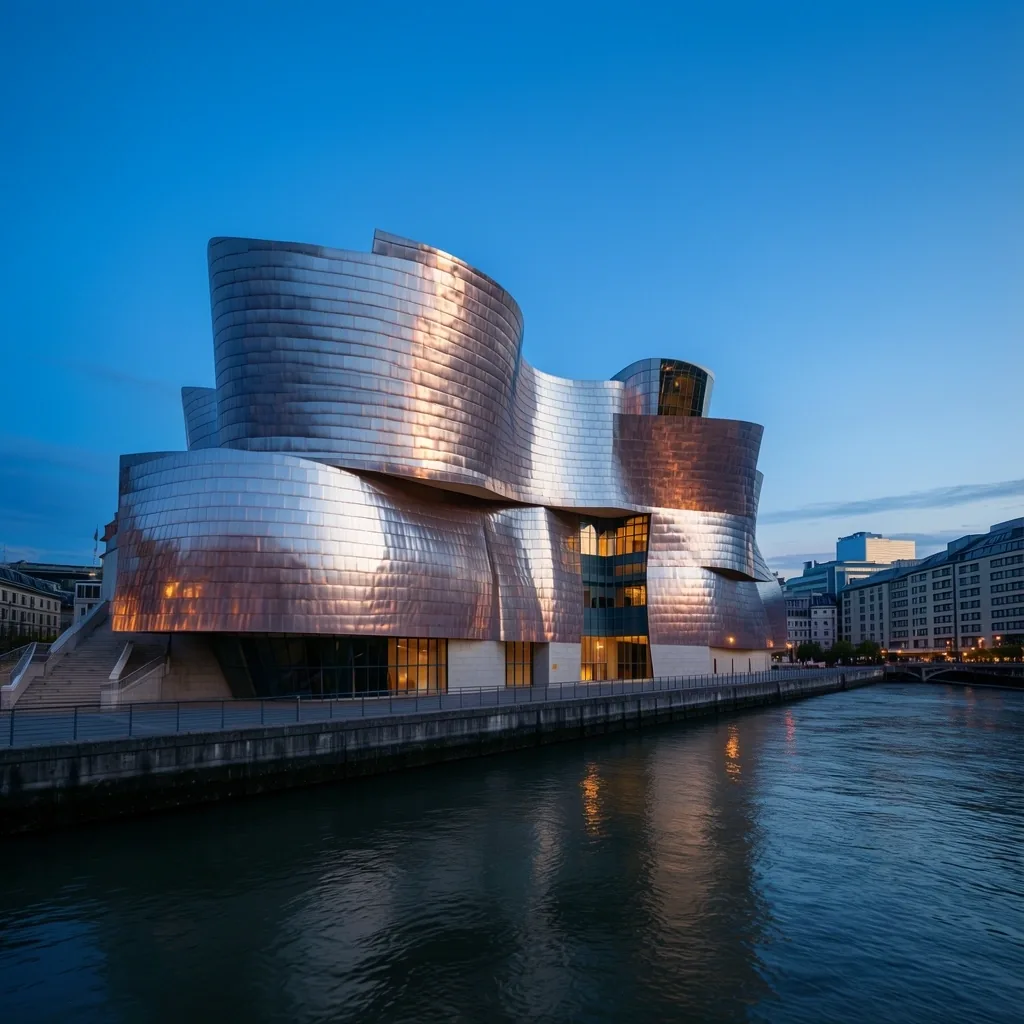
No design pilgrimage to Spain is complete without understanding the structural flow of the Guggenheim. As a central pillar of any Bilbao itinerary, the museum requires a tactical approach to appreciate its architecture without the crowds.
Guggenheim Skip the Line Strategies
Educational insight: The "skip the line" experience is most effective when utilizing the official digital reservation systems during mid-week morning slots (10:00 AM) or late afternoon windows (4:30 PM). By securing a timed entry, visitors bypass the main ticketing queues, allowing for an immediate focus on the atrium’s titanium curves.
Expert Tip: Start your tour at the riverside facade to see the titanium "scales" react to the changing light before entering the interior gallery spaces.
Experimental Structures
Firms like SelgasCano and Ensamble Studio are pushing the boundaries of what is possible with lightweight materials. Their work involves "invisible" architecture that utilizes industrial materials—plastic tubing, repurposed shipping containers—in unexpected ways.
View Architectural StudyDesigning the Future of Travel
The evolution of Spanish design is an ongoing dialogue between heritage and horizon. Whether you are analyzing urban furniture in a Bilbao park or exploring the vast titanium halls of the Guggenheim, the focus remains on human experience and environmental harmony.
Visit Us
Calle de la Princesa, 25, 3ºB
28008 Madrid, Spain
Direct Contact
T: +34 612 345 678
E: [email protected]
Expert Hours
Mon - Fri: 09:00 - 18:00
Architectural consultations by appt.